EV Test Facility Consultancy Service
Support end-to-end electric vehicle validation with controlled testing environments and engineering-grade measurement systems.
Electric Vehicle Testing Services
ATS IPL provides EV lab services for electric vehicle development, validation, and performance testing.
Overview
ATS IPL provides EV lab services for electric vehicle development, validation, and performance testing. Our EV test facility supports e-motor testing, battery testing, differential transmission testing, and E-axle testing with advanced dyno systems and engineering-focused test support. As electric mobility continues to grow, vehicle testing must keep pace with new powertrain technologies, thermal demands, safety certification expectations, and performance targets. ATS IPL helps OEMs, suppliers, and EV engineering teams validate electric drivetrains with structured testing services that deliver accurate, repeatable, and meaningful results.
Service Scope
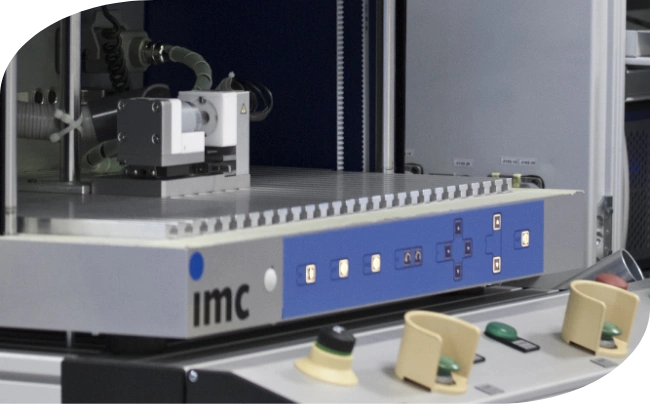
Support end-to-end electric vehicle validation with controlled testing environments and engineering-grade measurement systems.
Evaluate transmission response under torque, speed, load, heat build-up, and dynamic operating conditions.
Support mid-power motor characterization, endurance evaluation, speed response checks, torque analysis, and thermal validation.
Support higher-power electric motor and drivetrain validation for demanding EV and commercial vehicle applications.
Validate integrated electric drive units through performance mapping, thermal analysis, endurance evaluation, and torque verification.
Why It Matters
EV testing is essential because electric vehicles depend on tightly integrated systems that must work together under dynamic load, thermal stress, and real-world operating conditions. Unlike conventional vehicle systems, EV powertrains rely on electric motors, transmissions, inverters, battery systems, and cooling strategies that need dedicated validation.
ATS IPL should be positioned as an EV testing services provider that helps customers measure performance, improve reliability, and support product development with lab-based validation. This makes the page relevant for electric vehicle manufacturers, commercial EV developers, and drivetrain suppliers.
EV Test Facility
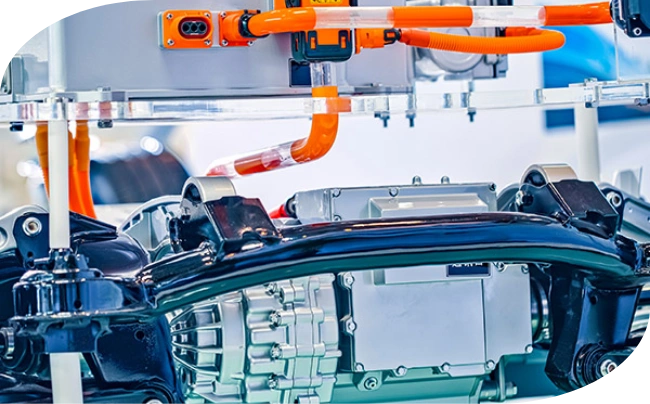
Our EV test facility is designed to support end-to-end electric vehicle validation through controlled testing environments and engineering-grade measurement systems. The facility helps teams evaluate motor performance, transmission response, axle behaviour, and electrical system reliability in one place.
ATS IPL can present this facility as a complete EV testing lab for companies that need practical test support for current and next-generation electric mobility platforms.
Facility Support
The EV test facility supports electric motor testing, e-transmission testing, battery emulator integration, thermal load testing, and four quadrant performance mapping. These capabilities make it easier to study both traction and regenerative operating conditions.
For EV engineers, this means faster development, better correlation, and stronger validation confidence.

Transmission Testing
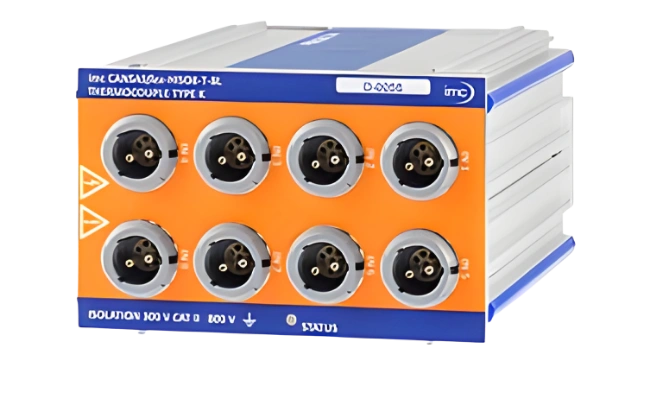
Differential transmission testing is an important part of EV validation because it helps evaluate how the transmission behaves under different torque, speed, and load conditions. In electric vehicles, transmission performance directly affects drivability, efficiency, and system durability.
ATS IPL offers differential transmission testing services to help customers understand performance under dynamic conditions and optimize the drivetrain for efficiency and reliability. This service is especially relevant for e-transmission and e-axle systems used in electric mobility applications.
Transmission Value
Transmission testing helps detect issues related to torque transfer, response time, heat build-up, and mechanical stability. It also supports engineering teams in refining powertrain mapping and calibration for better real-world performance.
This makes differential transmission testing one of the key service blocks in any serious EV-Lab Consultancy Service setup.
28KW Motor Rig
The 28KW motor test rig is designed for electric motor testing in development and validation programs where mid-power systems must be measured under accurate conditions. This rig supports high-speed and high-torque electrical performance testing for a range of EV applications.
ATS IPL can position the 28KW motor test rig as an efficient solution for motor characterization, endurance evaluation, and early-stage EV testing services. It is especially useful for programs that need a balance between compact test setup and strong performance capability.
28KW Uses
This rig can support motor efficiency mapping, speed response checks, torque performance analysis, and thermal validation. It is an important part of the EV test facility because it allows engineering teams to validate the motor under controlled operating conditions.
For smaller and mid-range EV programs, this rig provides dependable and flexible testing support.
257KW Motor Rig
The 257KW motor test rig is built for higher-power electric motor and drivetrain validation. With greater speed and torque capability, this rig is suitable for more demanding EV applications where power density and dynamic response are critical.
ATS IPL should present the 257KW motor test rig as a high-capability solution for large electric motors, commercial vehicle applications, and advanced drivetrain testing. It supports more demanding validation work where thermal load and torque output are significant.
High Power Value
High-power motor testing helps engineers evaluate performance under load, regenerative conditions, and extended operating cycles. It is especially important for heavy-duty electric platforms and applications where energy transfer and durability must be validated carefully.
This makes the 257KW rig one of the strongest technical assets in the EV-Lab Consultancy Service page.
E-Axle Testing
E-axle testing is a core service in electric vehicle validation because it combines the motor, transmission, and axle assembly into a single system under test. This type of testing helps engineers understand how the complete electric drive unit behaves in real operating conditions.
ATS IPL provides E-axle testing services for electric mobility programs that require performance mapping, thermal analysis, and endurance evaluation. It is one of the most important test capabilities in an EV test facility because it reflects full drivetrain behaviour rather than isolated component performance.
E-Axle Benefits
E-axle testing supports torque verification, efficiency analysis, regenerative behaviour, and drivetrain reliability. It also helps teams validate power delivery and thermal response during acceleration, cruising, and load-driven operation.
For OEMs and suppliers, this creates a more realistic and complete validation process.
Why ATS IPL
ATS IPL should be positioned as a trusted EV testing services provider with practical lab capability and engineering depth. Our testing services provides a structured way to validate motors, transmissions, and axles while improving performance and reliability.
By combining EV test facility support, differential transmission testing, motor test rigs, and E-axle testing, ATS IPL offers a complete validation environment for electric vehicle development.
Applications
Support
If you are looking for EV lab services, ATS IPL can help you with EV test facility support, differential transmission testing, motor test rig validation, and E-axle testing for electric vehicle programs.
Auto Technical Service India Pvt Ltd provides this services including EV lab services, EV test facility support, motor test rig testing, differential transmission testing, and E-axle testing for electric vehicle development and validation and across India. As a reliable services provider, we help OEMs and engineering teams improve electric vehicle performance, durability, and testing accuracy.
Auto Technical Service India Pvt Ltd testing services provides complete EV testing services, structured validation support, and practical engineering services for electric mobility programs. Our services provider approach ensures that customers receive dependable testing services, technical expertise, and measurable results for every stage of EV development.
FAQ
An EV lab is used to test electric motors, batteries, transmissions, e-axles, and drivetrain systems under controlled conditions.
An EV test facility is used for performance testing, validation, thermal testing, and drivetrain development for electric vehicles.
Differential transmission testing evaluates how an EV transmission handles torque, speed, and load during operation.
E-axle testing checks the behaviour of the complete electric drive unit, including the motor, transmission, and axle system.
Motor test rigs are important because they help measure electric motor performance, durability, and thermal behaviour in controlled conditions.